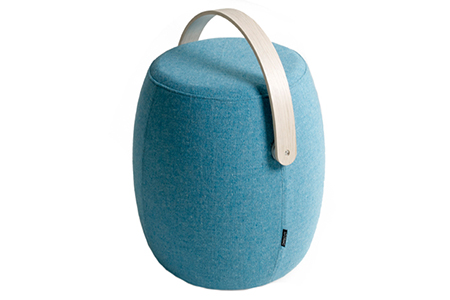
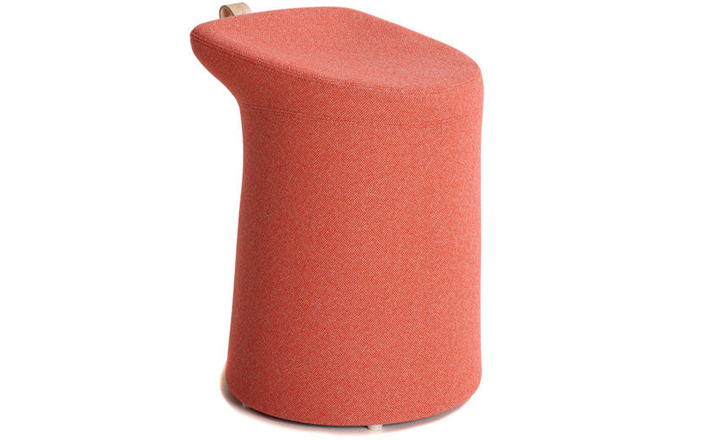
lilla stool
Design Patrick Norguet,
0
Flannelette, leather
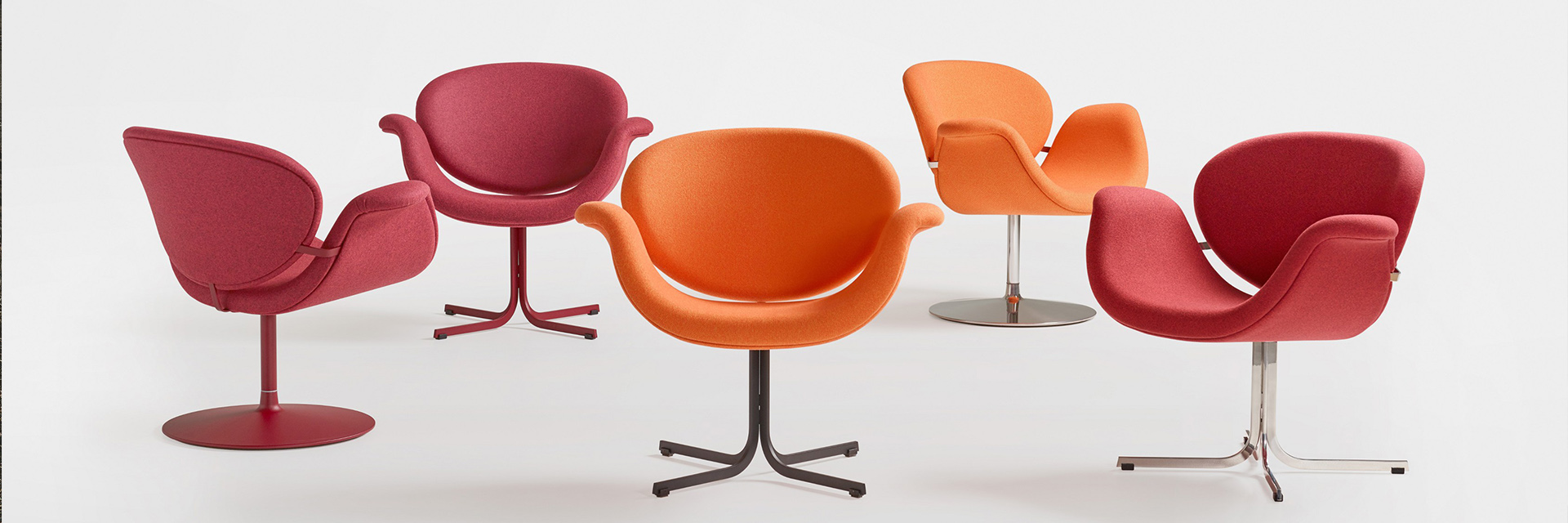
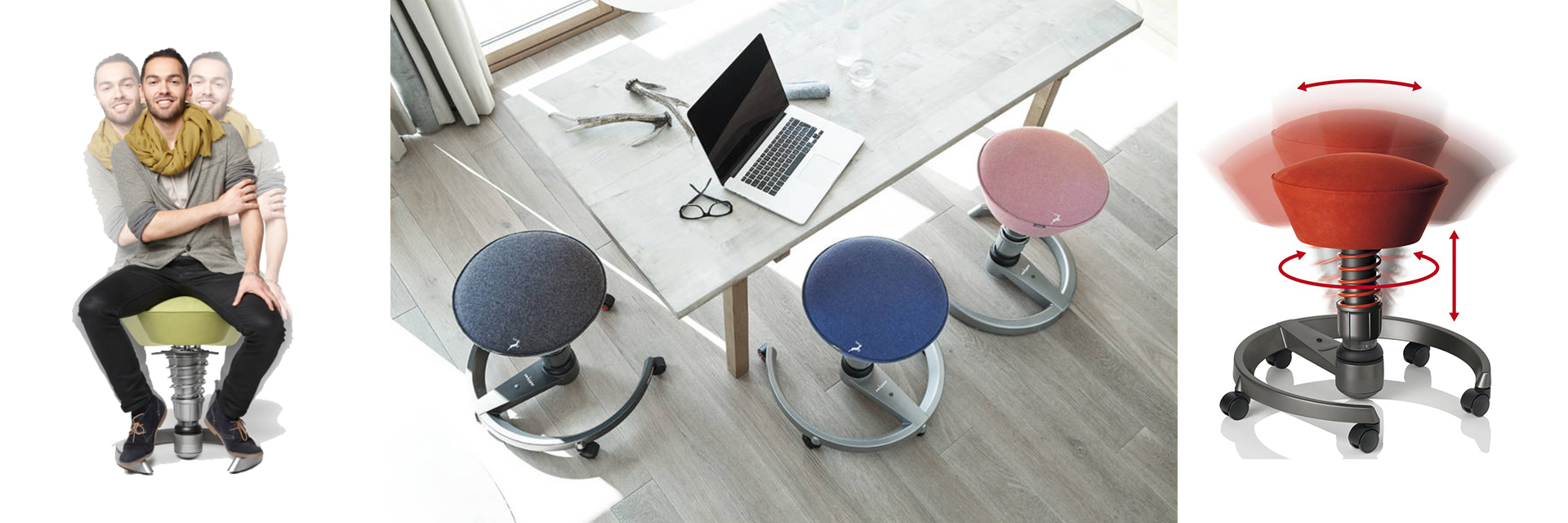
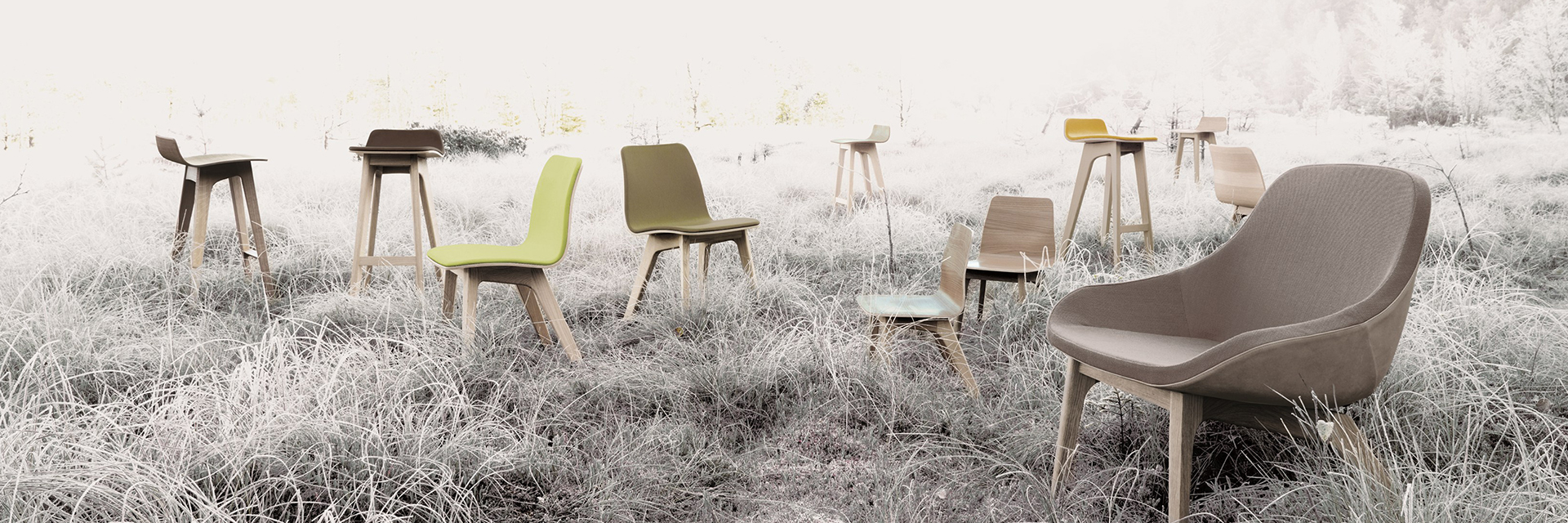
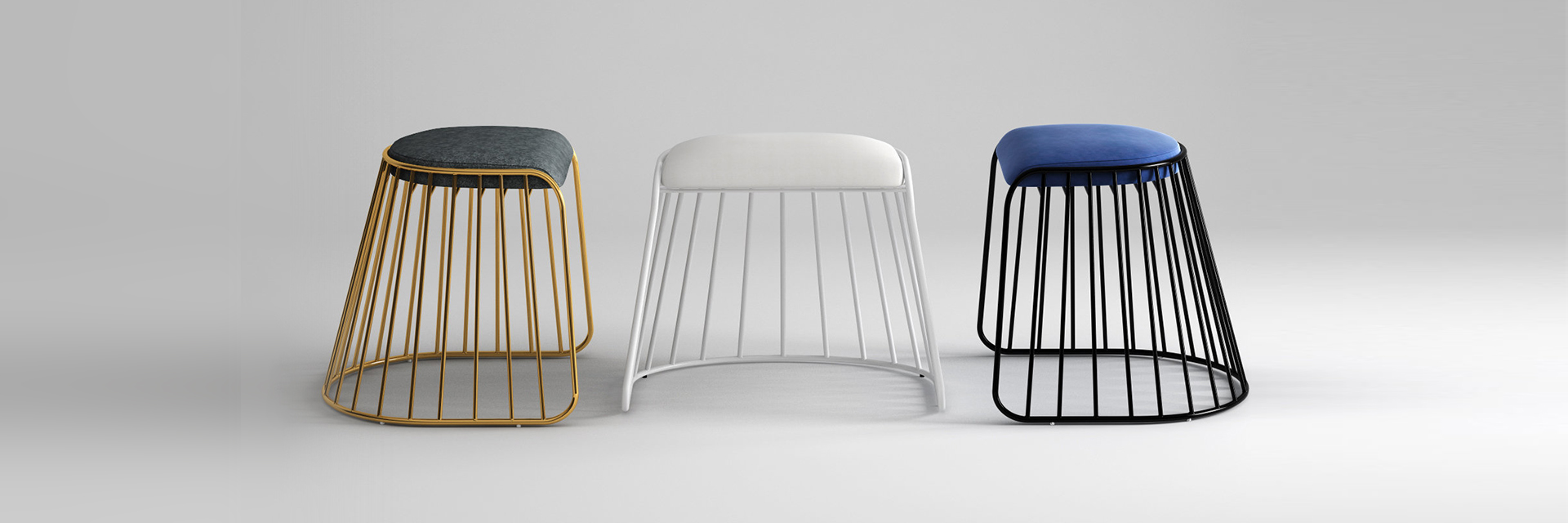
Many furniture brands add smaller accessories to their portfolio to cater to a broad range of customers. Smart thinking. We also like the idea of a small and affordable brand-carrier,perhaps one that serves as the initial introduction to our brand. There is just one major requirement: it has to be a great piece of furniture!This explains why we are so tremendously fond of Lilla. This little stool adds colour and fun to a house or office like no other. Lilla is extremely practical and can easily double as an extra chair for unexpected dinner guests. Need extra chairs for a conference meeting or a creative session? Get a Lilla. Want to spice up a waiting room or reception area? Get a Lilla.Lilla 2.0 features a fresh look with a variety of carefully selected fabrics. We also added a carrying handle and a box design to give this little stool a big boost.
360 w | 380 d | 550 h
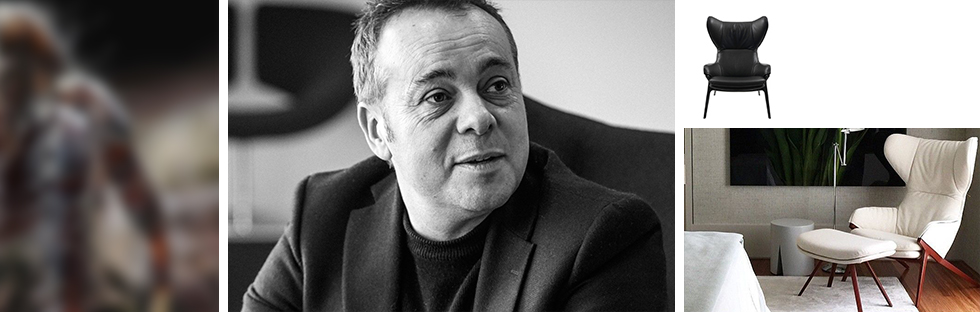
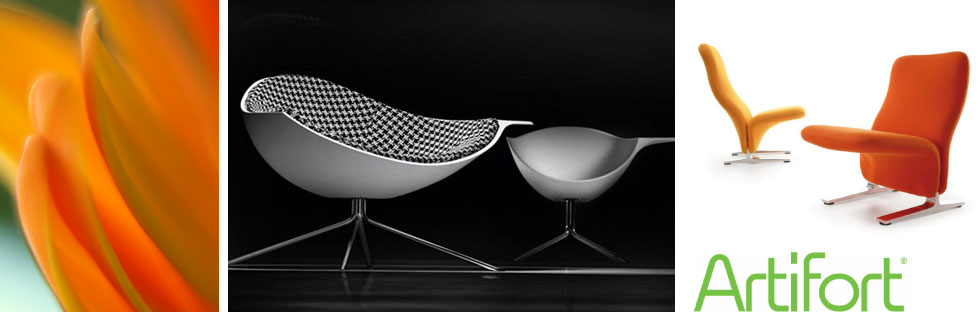
Patrick Norguet (b. 1969) was educated at the Superior School of Industrial Design in Paris, where he is still based, and is fast becoming a noted name in his field. He has collaborated with Louis Vuitton as a decorator, designing concepts for display windows and events. He more recently designed the showrooms for Renault Cars in Paris and Tokyo and has designed furniture pieces for Cappellini and Artifort. In Paris, where McDonald’s restaurants can often have lavish modern interiors, Norguet has designed many, proving that he can adapt and create something unique in almost any surrounding. Today he creates products for Cappellini, Fasem, Poltrona Frau, Lapalma, Offecct, Crassevig, GlasItalia, Flaminia, Thonnet Vienna, Modus, Watsberg, Artifort, and Accor.
The foundations of Artifort were laid by Jules Wagemans. In 1890, he set up business as an upholsterer in Maastricht. His son, Henricus Wagemans, expanded the company into a furniture factory, which had a showroom in Amsterdam by the end of the 1930’s and was already well known nationally. The economic recession of the nineteen thirties forced H. Wagemans & Van Tuinen, as the furniture company was then known, to create a distinctive profile. The emphasis came to lie on functionality, comfort, and quality combined with aesthetically pleasing design and an innovative use of materials. The new brand name became Artifort, derived from the Latin word 'ars' meaning “art or knowledge”, and 'fortis' meaning “strong or powerful.”
.jpg)
.jpg)
.jpg)